Amelda Font: A Handwritten Typeface for Makers
There is a specific kind of quiet satisfaction that comes from watching a design come to life on the cutting mat. Last Tuesday, I was finalizing the label designs for a new batch of lavender and vanilla soy candles. I had the wax poured and the jars cleaned, but the branding felt flat. The sans serif font I usually rely on for ingredient lists was too clinical for the warm, cozy vibe I wanted to convey. That is when I opened up Amelda. As soon as those brushed strokes appeared on my screen, the entire mood of the project shifted. It wasn't just text anymore; it felt like a handwritten note tucked onto the jar. For anyone running a handmade shop or creating digital printables, finding that perfect script handwritten typeface can be the difference between a product that sits on the shelf and one that flies off it.
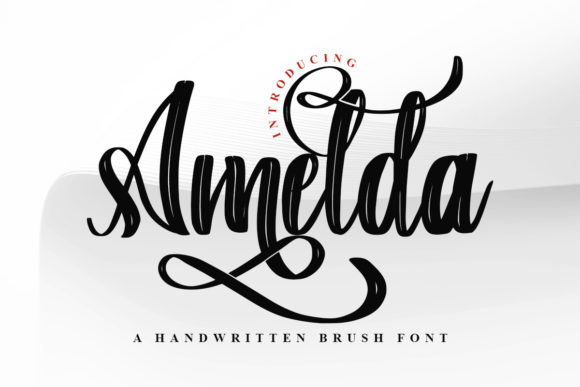
Amelda is more than just a collection of letters; it is a gorgeous looking brushed handwritten font that brings an immediate sense of humanity to digital designs. In the world of fonts, there are thousands of options, but few capture the organic flow of a real pen stroke quite like this one. The visual personality of Amelda is charming yet professional. It has enough texture in the brush strokes to feel authentic and handmade, but it maintains enough structure to remain highly legible. This balance is crucial when you are designing product labels or greeting cards where clarity matters just as much as aesthetics. When I applied Amelda to my candle labels, the words seemed to dance slightly, mimicking the flicker of a flame. It added a layer of perceived quality that made the small-batch nature of my business feel intentional and premium.
Bringing Warmth to Physical Products and Packaging
One of the most exciting aspects of working with a versatile typeface like Amelda is seeing how it translates across different materials. Whether you are printing on glossy sticker paper, matte cardstock, or heat-transfer vinyl, the font holds its character beautifully. I recently tested Amelda on a run of boutique clothing tags for a friend's linen clothing line. Printed on thick, textured kraft paper, the brushed edges of the letters interacted with the grain of the paper to create a stunning, tactile effect. It reinforced the brand identity of "natural" and "earth-friendly" without needing any extra graphics.
Beyond tags, Amelda shines in packaging design. Imagine unboxing a package and seeing your name written in a fluid, elegant script on the tissue paper seal or the thank-you card inside. These small touches build customer recognition and emotional appeal. For wedding stationery designers, this font is a goldmine. It works exceptionally well for wedding invitations, save-the-dates, and welcome boards. The swashes and alternates available in the font allow you to customize names so that every invitation feels unique. Because Amelda is PUA encoded, accessing these glyphs is incredibly easy. You do not need complex software workarounds; you can simply select the alternate characters to add flourishes to capital letters or connect specific letter pairs, giving your handwritten font projects a truly bespoke look.
Ideal Uses for Display and Decorative Wording
While Amelda is stunning, it is important to understand where it performs best within your design hierarchy. This is primarily a display font. It excels in short phrases, names, titles, and decorative wording. It is perfect for the main headline on a printable wall art piece, such as a "Gather" sign for the kitchen or a motivational quote for a home office. However, for longer blocks of text, like the detailed description on the back of a product box or the body of a letter, it is wise to pair Amelda with a clean sans serif font or a simple serif font.
This concept of font pairing is essential for maintaining readability while maximizing style. For example, on my candle labels, I used Amelda for the scent name ("Lavender & Vanilla") and a clean, geometric sans serif for the net weight and burn time instructions. This contrast ensures that the customer is drawn to the beautiful branding first, but can easily find the practical information they need. Using a creative font like Amelda for everything can sometimes overwhelm the eye, but when used strategically alongside simpler design assets, it creates a sophisticated and modern typography layout.
Digital Downloads and Seasonal Creations
The utility of Amelda extends far beyond physical goods. For creators of digital downloads, this font is a powerhouse. If you sell planner pages, habit trackers, or social media templates, incorporating a high-quality script can elevate the perceived value of your files. I recently created a set of seasonal holiday tags using Amelda. The font's natural flow made the "Happy Holidays" and "To/From" fields look as if they were written by hand, which is exactly the aesthetic buyers look for during the festive season.
For those using cutting machines like Cricut or Silhouette, Amelda is generally very friendly, provided you size it correctly. Because it is a brushed style, very thin connections might require careful weeding if cut at a tiny scale. My advice is to test a small sticker sheet first. Print and cut a few variations to see how the blades handle the curves. For logo design or shop banners, Amelda provides a strong foundation for brand identity. It suggests creativity, approachability, and attention to detail. Whether you are designing a storefront sign for a local market or a banner for your Etsy shop, the consistency of the letterforms helps customers recognize your brand instantly.
Technical Considerations for Commercial Use
Before launching into your next big project, always take a moment to review the licensing terms included with your purchase. Amelda is designed as a commercial font, meaning it is licensed for use in products you intend to sell, such as physical merchandise, printed invitations, or digital templates. However, every foundry has specific rules regarding the number of end products or whether the font file itself can be redistributed. Always check the included documentation for details on file formats, multilingual support, and the extent of the commercial license.
Additionally, take full advantage of the technical features. Since Amelda is PUA encoded, ensure your design software supports this feature to unlock the full range of swashes and ligatures. This capability transforms standard text into custom editorial design quality work. By exploring the alternate characters, you can avoid repetitive letter shapes in words with double letters, keeping your web design graphics and printed materials looking dynamic and fresh. Ultimately, integrating a tool like Amelda into your workflow is about more than just picking pretty letters; it is about telling a story through your products. It invites the customer to slow down and appreciate the craft behind the item, turning a simple transaction into a meaningful connection.